[rush Hour Traffic Woes] What's Up My Commute That Changes Perspective
| [Rush Hour Traffic Woes] | What's Up My Commute? That Changes Perspective Rush hour traffic, a daily grind for millions, extends beyond mere inconvenience, impacting productivity, personal well-being, and even the environment. This article delves into the multifaceted causes of rush hour congestion, explores innovative solutions being implemented worldwide, and examines how a shift in perspective – embracing flexible work arrangements and prioritizing sustainable transportation options – can alleviate the daily commute struggle. Understanding the dynamics at play is crucial to finding effective strategies for improving our daily lives and building a more sustainable future. The Daily Grind: Anatomy of Rush Hour Traffic Woes Rush hour, the bane of many commuters' existence, is far more complex than simply too many cars on the road. It's a confluence of factors that create a perfect storm of congestion. Understanding these underlying causes is the first step towards finding effective solutions.
The Ripple Effect: Consequences of Congestion The consequences of rush hour traffic woes extend far beyond mere inconvenience. They impact individuals, businesses, and the environment. Smart Solutions: Tackling Traffic Congestion Head-On Addressing rush hour traffic woes requires a multifaceted approach that combines infrastructure improvements, technological advancements, and behavioral changes. * Smart Traffic Management Systems: Intelligent Transportation Systems (ITS) use sensors, cameras, and real-time data analysis to optimize traffic flow. These systems can adjust traffic signal timing based on current conditions, provide drivers with real-time traffic information, and even automatically reroute traffic around accidents. * Ramp Metering: These traffic signals on freeway on-ramps regulate the flow of vehicles entering the highway, preventing bottlenecks and improving overall traffic flow. * High-Occupancy Vehicle (HOV) Lanes: These lanes are reserved for vehicles with multiple occupants, encouraging carpooling and reducing the number of vehicles on the road. * Real-Time Traffic Information: Apps like Google Maps and Waze provide drivers with real-time traffic information, allowing them to avoid congested areas and find alternative routes. * Adaptive Cruise Control: This technology automatically adjusts a vehicle's speed to maintain a safe following distance, reducing the likelihood of accidents and improving traffic flow. * Autonomous Vehicles: While still in development, autonomous vehicles have the potential to revolutionize transportation by optimizing traffic flow, reducing accidents, and making commuting more efficient. However, widespread adoption is still years away. * Flexible Work Arrangements: Allowing employees to work remotely or adjust their work hours can reduce the number of vehicles on the road during peak hours. This can have a significant impact on congestion levels, especially if a large percentage of the workforce adopts flexible work arrangements. As Sarah Jones, a human resources manager at a tech company, notes, "Offering flexible work options has not only reduced our employees' stress levels but has also improved their productivity and job satisfaction." * Carpooling and Ride-Sharing: Carpooling and ride-sharing services can reduce the number of vehicles on the road and save commuters money on gas and parking. * Public Transportation: Investing in public transportation and making it more convenient and accessible can encourage individuals to switch from personal vehicles to buses, trains, and subways. * Cycling and Walking: Promoting cycling and walking as viable commuting options can reduce congestion and improve public health. Creating dedicated bike lanes and pedestrian walkways can make these options safer and more appealing. A Shift in Perspective: Rethinking the Commute Ultimately, addressing rush hour traffic woes requires a fundamental shift in perspective. We need to move away from the idea that driving alone is the only way to get to work and embrace more sustainable and efficient transportation options. The road to alleviating rush hour traffic woes is a long and complex one. There is no single, easy solution. It requires a combination of infrastructure improvements, technological advancements, behavioral changes, and a fundamental shift in perspective. By embracing innovative solutions and prioritizing sustainable transportation options, we can create a more efficient, sustainable, and enjoyable commute for everyone. |
Related Post
Secure Your Duke Energy Account: Add an Authorized Person Now
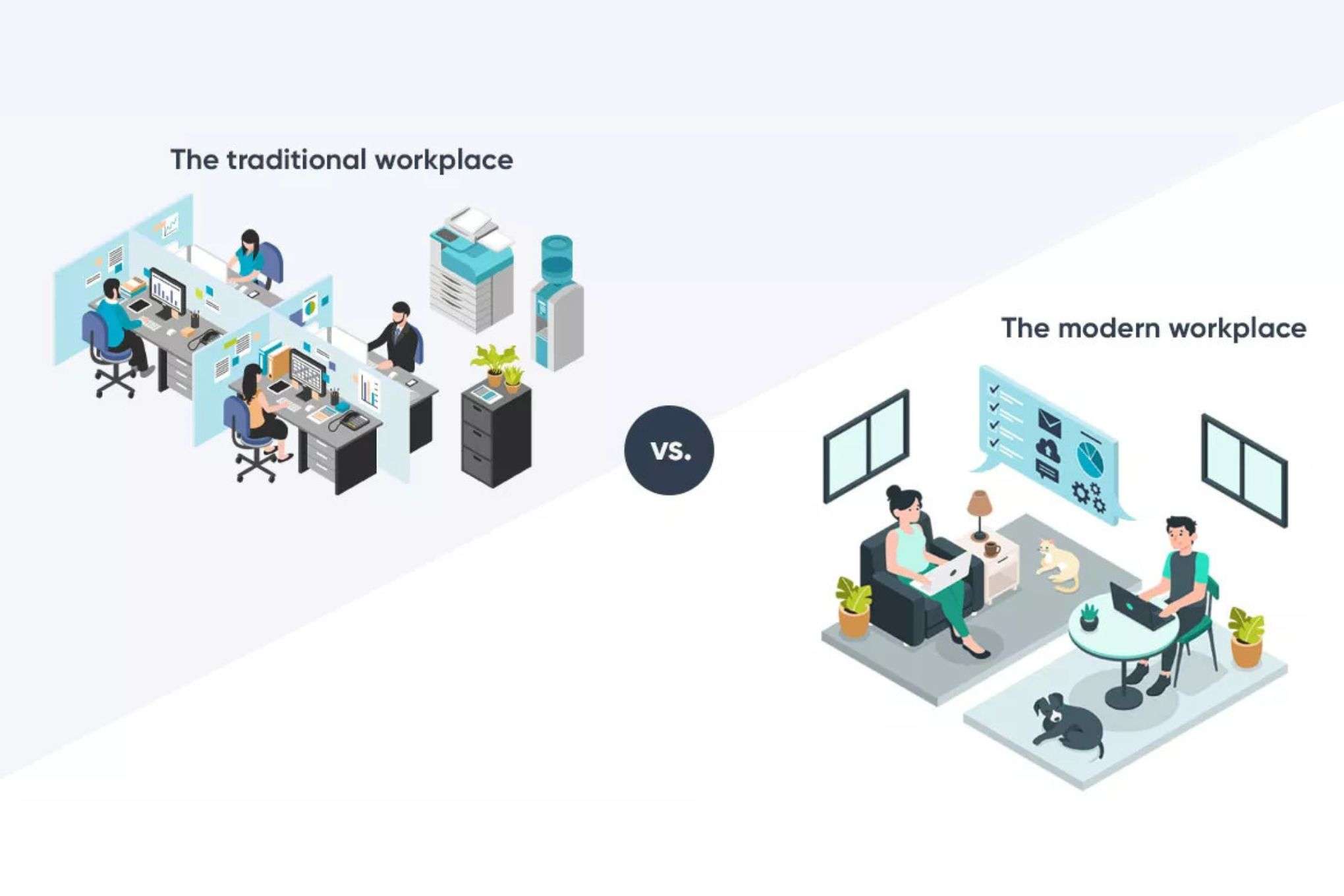
Selesai: The Critical Milestone That Defines Operational Success in Modern Workplaces
Pollen Count Atlanta Today