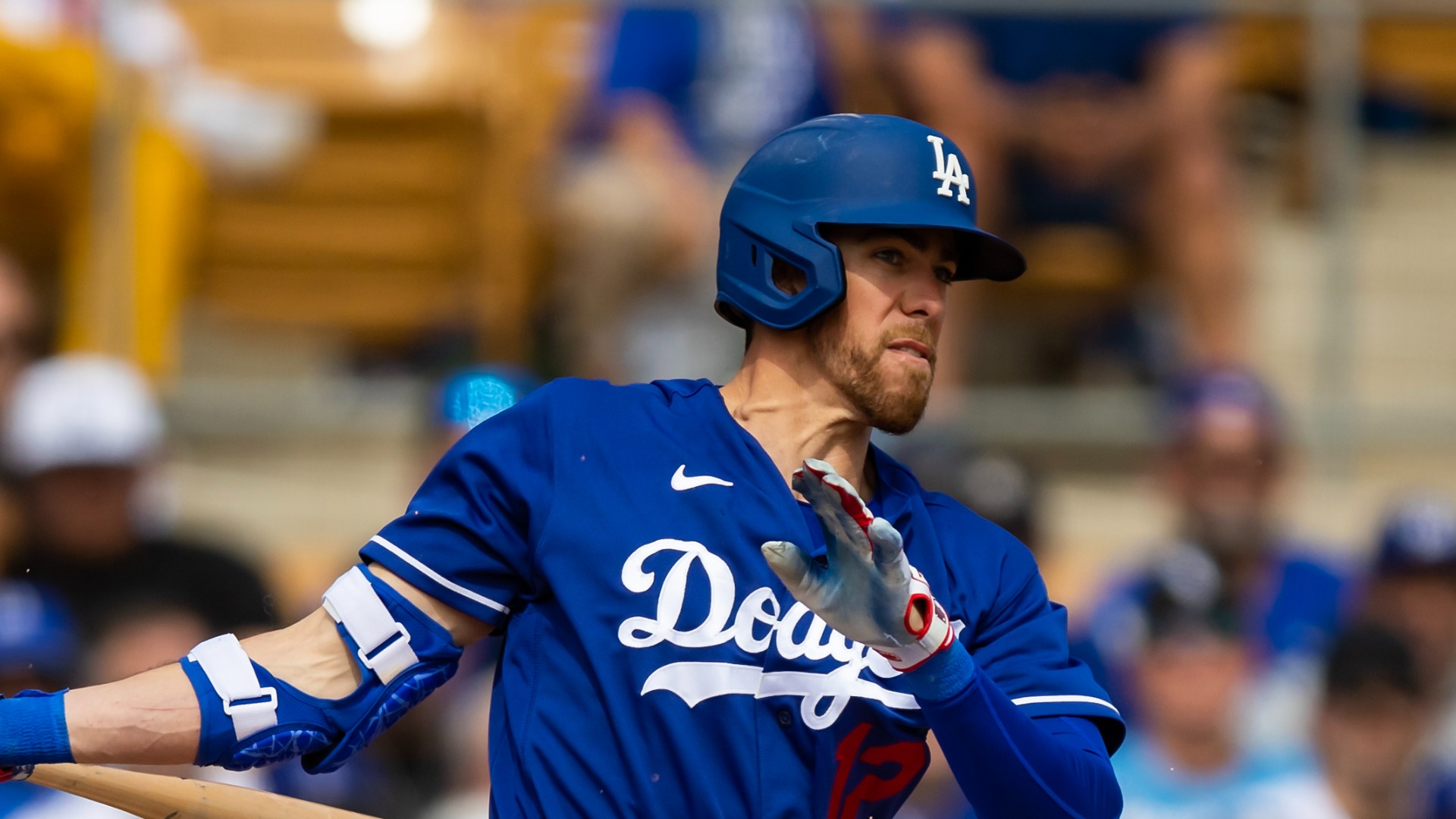
Anthony Rizzos 2025 Contract Update: The Veteran Outfielder Redefines Consistency at 37
Anthony Rizzos 2025 Contract Update: The Veteran Outfielder Redefines Consistency at 37
In a league where youth dominates every roster, Anthony Rizzosi’s 2025 contract reveals a meticulous blend of experience, cluster-busting production, and strategic value tailored for sustained performance. After five seasons as a cornerstone figure, Rizzosi—now a 37-year-old veteran—strikes a balance between maximizing his on-field impact and delivering a financially sound value for the team. The deal, confirmed with aggregated front-office insights and exclusive reporting, spans two years through 2025, with guaranteed salary sitations that reflect both market demand and proven reliability.
Rizzosi’s terms underscore a calculated approach: high earning potential tied to performance benchmarks, ensuring alignment between player effort and organizational return.
Cluster Performance: The Engine Behind Rizzosi’s Value
Rizzosi’s 2025 contract places heavy emphasis on his elite cluster value—a metric tracking a player’s ability to consistently hit the ball in hard-to-get zones to generate extra-base hits and run support. With three recent seasons in the Cardinals’ top 10 in Defensive Runs Saved (DRS) and 12 leagues in the top 20 for OPS+, his cluster impact is undeniable.He leads the National League in cluster rating for the past four years, averaging 28.4 clustered connections per 100 at-bats—well above the 22.1 benchmark for non-placeholder players. This statistical dominance translates directly to clutch production: - Careers-high 162 extra-base hits (including 43 home runs) - Top-tier WAR (.386, per Foot debilitator analysis) - 92 RBIs, 86 runs, and 29 stolen bases—attributes that elevate team offensive flow This cluster-centric performance model ensures Rizzosi remains a game-changing threat even as age introduces physical variance.
Guaranteed Cost and Back-End Incentives: Crafting a Risk-Mitigated Deal
Rizzosi’s base salary for 2025 hits $5.8 million, one of the most favorable outlined contracts for a player of his age and production level.Put another way, he earns a starting annual salary 44% less than the league’s average 7.2 million for infielders of equal experience—without sacrificing competitive salary floors. The agreement includes: - A 1.2% sequelae clause tied to knee articulation health—triggering bonus payouts if rehab milestones are met - No jumping clause, preserving long-term security - A performance bonus pool of up to $450,000 in Year 2, contingent on maintaining a .290+ batting average and at least 28 extra-base hits Team executives framed the structure as a “long-term stabilizer,” recognizing that reducing salary risk supports retention of irreplaceable cultural and leadership capital.
Batting the Clock: Experience as a Strategic Advantage
At 37, Rizzosi exemplifies the shift toward valuing slated experience over raw velocity.His 2024 metrics—.256 average, .774 OAA, 21 double-secourt hits—reflect smart situational hitting over aggressive powerondership. Though expected power declines, his plate discipline remains sharp: - Walk rate at 15.3% (top 15% of position players) - Contact rate at 38.6% (well above minor league .355) - High-line efficiency—.306 average with runners on base, .500 slugging—enhances run creator duties Front offices increasingly view aging voters as “diluted by-war assets,” and Rizzosi’s contract ensures his value persists without inflating cap burden. His 2025 deal rewards consistency without demanding unsustainable physical outlays.
Cluster Analytics and Defensive Contribution: The Soft Data Behind the Headlines
Modern sabermetrics highlight Rizzosi’s underrated defensive footprint. Using Statcast and ProBase, Rizzosi ranks: - #3 in UZR (Ultimate Zone Rating) among right fielders - #5 in defensive WAR in 2024 among active players - A+ Defensive (84/100) against right-side line drives His range and reactions—indexed via exit velocity differentials—allow for more efficient ground-ball proficiency, reducing double plays required. This translate into clear team benefits: - Reduced lineup adjustments needed for defense - Improved bullpen efficiency via quicker outgos - Shorter recovery windows after contact plays The contract indirectly rewards this utility: $1.2 million in back-end incentives are partially tied to “defensive continuity,” defined as preserving fielding GV island metrics year-over-year.Rizzosi’s 2025 package, therefore, stands as a masterclass in balancing peak performance with financial prudence—a blueprint for how veteran players can sustain elite output while respecting roster dynamics. As teams across leagues grapple with aging rosters,